Collaboration Between Equine Veterinarians, Chiropractors and Farriers: Part 1

Enhancing Equine Health and Performance
The well-being and performance of horses rely heavily on the collaborative efforts of various equine health professionals. Among them, veterinarians, chiropractors, and farriers play pivotal roles. Their combined expertise and coordinated efforts ensure that horses receive comprehensive and holistic care, addressing various aspects of their health and physical condition.
Through collaboration, professional equine healthcare providers must combine the individual animal's behavioural characteristics and postural stance with science-based, referenced information on equine orthopaedics and biomechanics that they can trust and use daily when working with their clients' horses.
Roles and Responsibilities
Equine Veterinarians
Equine veterinarians are medical doctors specialised in the diagnosis, treatment, and prevention of diseases and injuries in horses, and for that reason, they are the primary healthcare providers for horses, responsible for diagnosing, treating, and preventing a wide range of medical conditions. They perform routine health checks, vaccinations, dental care, and surgical procedures and provide information that their clients can trust.
They undergo extensive education and training, including veterinary school and internships, to develop a deep understanding of equine anatomy, physiology, and pathology. Veterinarians are equipped to handle a wide range of medical conditions, perform surgical procedures, and prescribe medications as needed.
Veterinarians also play a crucial role in managing injuries and illnesses, providing emergency care, and advising on nutrition and overall wellness.
Equine Chiropractors
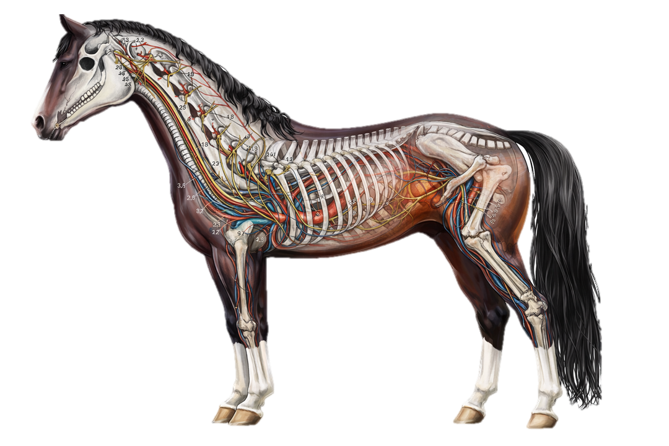
Equine chiropractors specialise in the musculoskeletal system of horses, focusing on the spine, nervous system, joints, and muscles. They employ manual techniques to adjust and realign the horse's body, enhancing mobility, alleviating pain, and improving overall function. Chiropractors aim to restore proper alignment, improve movement, and alleviate pain, enhancing the horse's overall performance and quality of life. They often work with horses that suffer from issues such as stiffness, lameness, or uneven gait, as well as performance issues. Their holistic approach aims to restore balance, ensure the proper functioning of the neuromuscular system, and protect the spine to enhance the horse's well-being.
Farriers
Farriers are hoof care experts, trimming and shoeing horses' hooves. Their work is essential for maintaining proper hoof balance, preventing lameness, and supporting the horse's gait and posture, which in turn helps maintain spinal alignment. Farriers should work closely with veterinarians and chiropractors to address hoof-related issues affecting the horse's health and performance. I believe they must undergo extensive education and training in the associated soft tissue structures of the distal limb, including tendons, ligaments, distal cartilage, and their relationship to the musculoskeletal system and related joints, such as the horse's spine. In this manner, they would help in the preventive care of the entire horse.
The Need for Collaboration
While equine veterinarians and chiropractors operate in different spheres of expertise, their work often overlaps. Many conditions affecting horses are multifaceted, involving both medical and musculoskeletal aspects. For instance, a horse with a lameness issue may have an underlying medical condition that requires veterinary intervention and chiropractic adjustments to address compensatory muscle strain or misalignment.
Due to this underlying issue, the horse can place its distal bones and joints outside the body's biological needs, resulting in an imbalance within the individual hoof capsules. Therefore, all three professionals should be included in the animal's care intervention.
The Importance of Collaboration
The collaboration between veterinarians, chiropractors, and farriers is vital for providing comprehensive care that addresses the interconnected aspects of equine health. Each professional brings a unique perspective and set of skills that, when combined, result in a more thorough understanding of the horse's needs.
Comprehensive Diagnosis and Treatment
By collaborating, veterinarians, chiropractors and farriers can provide a more comprehensive diagnosis and treatment plan for horses. A veterinarian may first assess and diagnose the medical aspects of a condition, such as identifying infections, inflammation, or fractures. Once the medical issues are addressed, a chiropractor can step in to correct any musculoskeletal imbalances that may have arisen due to the condition or its treatment. Then, the skill of the farrier can be utilised to rebalance the dysfunctional compensation patterns in the feet that influence their postural stance and upper body compensation patterns. This integrated approach ensures that all aspects of the horse's health are considered and treated appropriately.
Comprehend the biology and science of the equine's biological movement and use your findings to guide you through the trimming and shoeing strategies you want to apply in the clinical environment. For this is what modern-day farriering should be all about.
In my next post, we will continue exploring ways to work together for the benefit of enhancing equine health and performance.

Comments