The Impact of Farriering on Osteoarthritis in Equines

Understanding the Relationship Between Hoof Care and Bone Health
Farriering, the practice of shoeing horses and caring for their hooves, is an essential aspect of equine management. However, like many practices, it has its intricacies and potential implications on the horse's overall health. One of the less discussed but significant concerns is the impact of farriering on osteoporosis changes in equines. This discussion examines the potential impact of farriery on the development or progression of osteoporosis in horses, shedding light on the connections between hoof care and bone health.
Understanding Osteoporosis in Equines
Osteoporosis is a condition characterised by a decrease in bone density and an increase in bone fragility. In equines, osteoporosis can lead to various health issues, including fractures, joint problems, decreased mobility and hoof capsule imbalance. The condition can be influenced by factors such as diet, exercise, genetics, and, surprisingly, farriering.
The Role of Bone Remodelling
Bone remodelling is the process by which old bone is replaced by new bone tissue. This dynamic process is essential for maintaining bone strength and integrity. In horses, proper bone remodelling requires regular physical activity and balanced nutrition. Any disruptions to this process can lead to bone density issues, including osteoporosis.
Farriering and Its Effects on Equine Health
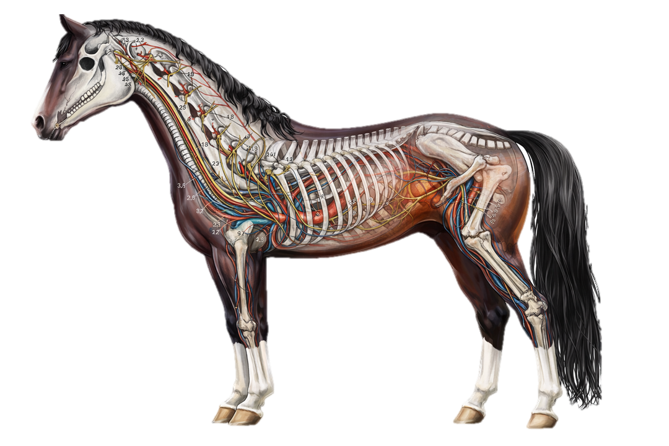
Farriering involves trimming and shaping the hooves and attaching horseshoes. While essential for protecting the hooves and optimising performance in the domestic horse, improper farriery can lead to various health issues, including those affecting bone health and the musculoskeletal system, with adverse adaptations to the animal's neurological system.
Impact on Weight Distribution
One of the primary ways farriering can influence bone health is through its effect on weight distribution. Improperly balanced hooves can cause uneven weight distribution and compensation patterns in the upper body, leading to excessive strain on certain bones, joints, and ligaments, as well as loading issues. Over time, this uneven stress can interfere with normal bone remodelling, potentially contributing to osteoporosis and implications for the horse's overall health.
Altered Gait and Movement
How a horse's hooves are trimmed and shod can significantly impact its gait, breathing patterns, distal limb loading and overall movement. An unnatural or altered gait caused by improper farriering can lead to uneven loading of the limbs and joints, affecting the bones' ability to remodel correctly. This alteration in the animal's orthopaedic balance can contribute to the development of osteoporosis, as certain areas may become over-stressed while others are under-stimulated.
Hoof Health and Bone Density
The health and shape of a horse's hooves are closely linked to an imbalance in joints and loading capabilities, leading to overall bone health. Farriering practices that neglect or improperly address hoof issues can lead to discomfort and reduced mobility, which in turn affects bone remodelling. For example, chronic hoof pain may lead to a decrease in physical activity, which can result in lower bone density over time.
Preventative Measures and Best Practices
Adopting best practices and preventative measures to mitigate the potential impact of farriering on osteoporosis in equines is crucial. Steps must be taken to comprehend the orthopaedic imbalance implications on the musculoskeletal system, which impacts the biological movement of equine and its effects on bone density.
Regular and Professional Hoof Care
Ensuring that farriering is performed by a skilled and experienced professional is essential. Regular hoof care, including proper trimming and shoeing, helps maintain balanced weight distribution and natural movement, thereby reducing the risk of bone health issues that can impact the animal's long-term well-being.
Monitoring and Addressing Gait Issues
Regular monitoring of a horse's musculoskeletal system, gait, and movement can help identify abnormalities caused by improper farriery. Addressing these issues promptly can prevent uneven stress on bones, joints, and the shape of the hoof capsule, all of which support healthy bone remodelling.
Holistic Approach to Equine Health
A holistic approach to equine health, encompassing proper nutrition, regular exercise, and routine veterinary care, is vital for preventing osteoporosis. Balanced diets rich in calcium and phosphorus, combined with weight-bearing exercises, can help enhance bone density and strength. However, the most effective approach to maintaining a healthy skeletal system is collaboration between all industry professionals to understand the gravitational influences on the body and the crucial role they play in maintaining the structure and dynamics of bone remodelling.
Conclusion
Farriering plays a crucial role in equine management, but it is important to recognise its potential impact on bone health. By understanding the ways in which farriering can influence osteoporosis changes in horses, owners, farriers, and veterinarians can take proactive steps to ensure the overall well-being of these majestic animals. Adopting best practices, monitoring gait issues, and maintaining a holistic approach to equine health can help mitigate the risks and promote healthy bones and hooves.
The well-being and performance of horses rely heavily on the collaborative efforts of various equine health professionals. Among them, veterinarians, chiropractors, and farriers play pivotal roles. Their combined expertise and coordinated efforts ensure that horses receive comprehensive and holistic care, addressing their health and physical condition.
The horse is our teacher, as they are the only ones who know what transpires within their bodies and that they must make compensational corrections that affect their upper body, health, postural stance and the hoof angle of the individual limbs. We are all students of their destiny, so make yourself the best student you can be by listening to what they are showing you in the pathology of their bodies and opening your mind to the opportunity of learning from them about their biological requirements.

Comments