Collaboration Between Equine Vaterinaries, Chiropractors and Farriers: Part 2

Enhancing Equine Health and Performance
Working together, these equine professionals can develop a holistic approach to equine care. For example, a chiropractor may identify a musculoskeletal issue that requires veterinary intervention, such as inflammation or infection. Similarly, a veterinarian may recommend chiropractic adjustments to aid in the recovery from an injury or surgery. Farriers contribute by ensuring that hoof health is optimised, which is essential for the effectiveness of both veterinary and chiropractic treatments.
Collaboration enables the development of comprehensive treatment plans tailored to each horse's specific needs. Regular communication and joint assessments enable the identification of potential problems early, reducing the risk of chronic issues and improving overall health outcomes. A coordinated approach ensures that all aspects of the horse's well-being are considered, from internal health to musculoskeletal function and hoof care.
In preventive care, veterinarians, chiropractors and farriers can work together effectively. Regular veterinary check-ups and vaccinations keep horses healthy and prevent diseases. In addition, routine chiropractic adjustments can help maintain musculoskeletal health, preventing joint stiffness, muscle imbalances, and poor posture. Farriers are required for the regular maintenance of the feet of the domestic horse to help ensure correct posture and freedom of movement. When working together, veterinarians, chiropractors and farriers can create a holistic wellness plan that keeps horses in optimal condition by scheduling regular hoof care and joint preventive sessions.
The synergy between veterinarians, chiropractors, and farriers is particularly important for performance horses. Athletic horses require peak physical condition to perform at their best. Regular chiropractic adjustments can maintain spinal alignment and flexibility, while proper hoof care ensures optimal posture, balance and support. Veterinarians oversee the general health of animals, addressing any medical concerns that may impact their well-being and performance. Together, they create an environment that fosters peak performance and reduces the risk of injury.
Case Studies and Success Stories
Lameness is a common issue in horses that can result from various causes, including injuries, infections, hoof-related issues and musculoskeletal problems. Addressing lameness requires a multidisciplinary approach, making it an excellent example of how veterinarians, chiropractors and farriers can collaborate.
Numerous case studies highlight the positive outcomes of collaborative care. For instance, a horse with chronic lameness may benefit from a combination of veterinary treatment, chiropractic adjustments, and specialised shoeing by a farrier. This multifaceted approach can significantly improve mobility and comfort, demonstrating the effectiveness of teamwork among equine health professionals.
Veterinary Assessment
When a horse presents with lameness, a veterinarian typically conducts a thorough examination, including imaging techniques such as X-rays or ultrasounds, to identify the underlying cause. The veterinarian may discover issues such as a hoof abscess, joint inflammation, or a ligament injury. Treatment may involve medication, rest, surgical intervention, or specialised farriery needs, depending on the severity of the condition.
Chiropractic Intervention
Following the veterinary assessment and initial treatment, a chiropractor can evaluate the horse's musculoskeletal system to identify any compensatory issues that may have developed. For instance, a horse with a hoof abscess may have altered its gait to avoid putting weight on the affected leg, leading to muscle strain or spinal misalignment. The chiropractor can then adjust the body to realign it, reduce muscle tension, and restore proper movement patterns.
Farrier Intervention
Following the initial treatment from the veterinarian and chiropractor, the farrier can be involved to assess the compounding issues of dysfunctional upper body imbalance that affects the distal joints and associated soft tissue tension, including the individual hoof capsule. They implement strategies all three professionals can agree on to reinstate limb balance and correct the loading of the horses' hooves.
Communication and Coordination
Effective collaboration between equine veterinarians, chiropractors and farriers requires clear communication and coordination. Professionals should share their findings, treatment plans, and progress reports to ensure the horse receives cohesive and complementary care. Regular meetings or consultations can help facilitate this exchange of information, allowing for adjustments to the treatment plan as needed.
Building Mutual Respect and Trust
Mutual respect and trust between veterinarians, chiropractors and farriers are essential for successful collaboration. Each professional should recognise the value of the other's expertise and be open to integrating different approaches. This respect fosters a collaborative environment where the primary focus is on the horse's well-being.
Education and Continuing Education
Ongoing education and training are crucial for veterinarians, chiropractors and farriers to stay updated on the latest advancements in their fields. By participating in joint continuing education programs or workshops, they can learn about new techniques, treatments, and research that may benefit their collaborative efforts. This shared knowledge enhances their ability to provide comprehensive care to their equine patients.
Benefits for Horses and Owners
The collaboration between equine veterinarians, chiropractors and farriers offers several benefits for horses and their owners. Horses receive more thorough and well-rounded care, addressing medical, musculoskeletal, and hoof care aspects of their health. This integrated approach can lead to faster recovery times, improved performance, and a higher overall quality of life for the animals. For owners, having a coordinated care team means fewer appointments and a more streamlined treatment process, ultimately providing peace of mind and confidence in their horse's care.
Conclusion
In conclusion, the collaboration between equine veterinarians, chiropractors and farriers represents a powerful alliance that can significantly enhance the health and well-being of horses. By combining their expertise and working together, these professionals can provide comprehensive, holistic care that addresses the diverse needs of their equine patients. This integrated approach benefits the horses and fosters a stronger, more informed community of equine caregivers dedicated to advancing the field of equine health.
As equine health continues to evolve, the importance of collaboration among these key professionals will only grow, leading to even better outcomes for horses everywhere.
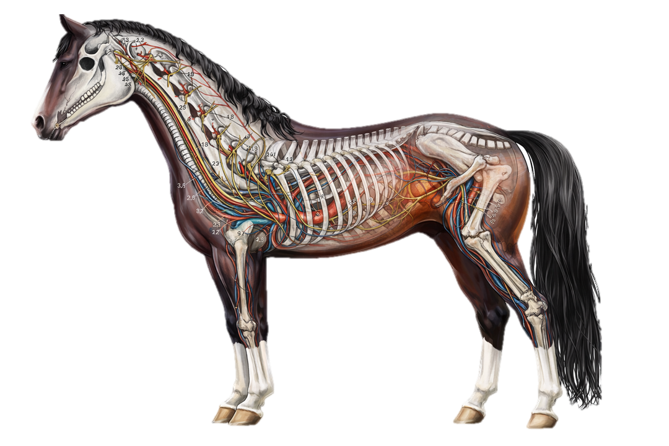
The horse is our teacher, as they are the only ones who know what transpires within their bodies and that they must make compensational corrections that affect their upper body, health, postural stance and the hoof angle of the individual limbs. We are all students of their destiny, so make yourself the best student you can be by listening to what they are showing you in the pathology of their bodies and opening your mind to the opportunity of learning from them about their biological requirements.
Flexibility – Mobility – Stability of the entire equine affects their loading and behavioural characteristics, so please include trained professionals to assess the health and performance of your horse.

Comments