Part Three of Comprehending the Neurological Basics of the Equine
The main body of work about the equine nervous system continued.
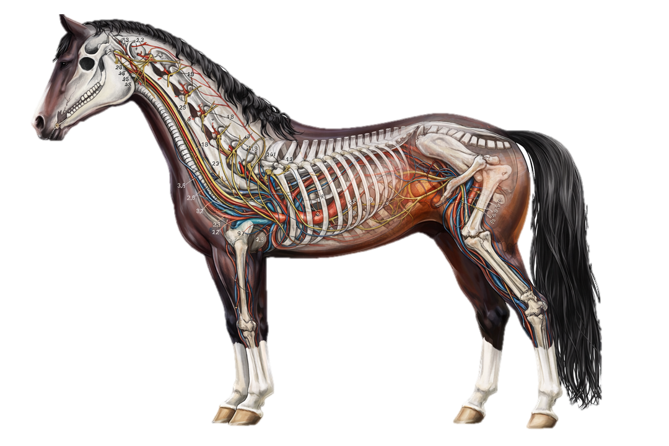
In my last post, I discussed the very basics of the nervous system. However, learning that nerve cells convey information, such as mechanical pressure, back along the peripheral nervous system (PNS) to the central nervous system (CNS), to the brain (part of the CNS), for analysis. We can begin to understand how a neuropathway is affected when there is an imbalance or dysfunction in the hoof.
Obtaining this basic understanding allows us to hypothesise that when one neuron is affected in a specific part of the animal's body, it communicates with another neuron through the synapse between the two cells, and by changing the neuro-pathways, it can affect other regions (areas) of the body. This effect is seen daily in the equine when we have a foot imbalance or when we intervene and change the hoof balance, causing the animal to feel a neuro-response elsewhere in its body.
The animal's movements are classified by function: posture, locomotion, and breathing, and the animal must use more than one group of muscles to perform these functions. It is also worth noting that the animal doesn't need conscious awareness to bring about or control some of these movements (the animals and we all breathe without thinking about it).
As the neurological system commands the desired action, it sends the motor neuron (output signal) signal to the muscles; this causes the muscle to react by contracting, and this generates the movement of the area involved. These output signals are derived from the sensory input signals (sensory circuits).
Therefore, accomplished by the central nervous system. It is the central nervous system that needs to analyse sensory receptors and comprehend the muscular system to have a neural representation of limb segments and joint angles (force loading).
However, sometimes this neural representation differs from the actual structural relationships of the Limb (joint angles, length, forces, speed, etc.). Causing a difference between the sensory receptors' information and the motor output signals. This inaccurate internal representation (what the system thinks is happening) is then passed on to the neural system of the musculoskeletal system, causing changes in limb flight locomotion and perceived stress that could trigger trigger points.
A misrepresentation of the internal neuromuscular system will also affect the plasticity of the connective tissue that encapsulates the individual limbs and creates a strain in the specialised connective tissue (bone) involved. The body's reaction to the additional stress is to create a slight change in the electrical flow through the system, known as a piezoelectric charge (pressure or mechanical stress applied). This pressure is read by the connective tissue cells in the vicinity, which respond by remodelling the bone to the amount of stress they perceive. The reaction process is called osteoblasts, the laying down of new bone to help protect the system from the stress it encounters. The system is also balanced by the opposing osteocyte and osteoclast, where any bone that is not mechanically stressed or under due pressure (piezoelectrically charged) is absorbed by this process of cleaning up old bone. Therefore, is the way individual bones respond capable of constantly changing under the pressures applied to them due to incorrect orthopaedic balance (incorrect centre of mass and posture)?
This mechanism explains the complex structures we observe on the equine lower limbs, known as splints: bony lumps that form after injury or prolonged increased loading. These incorrect loading forces reduce the ability of the osteoclasts to remove bone that was laid down (osteoblasts) in response to the injury or the forces of loading (gravity / incorrect orthopaedic balance). However, this process also explains the common issues we see in the distal equine foot bones, such as side bone–ring bone changes and remodelling of the skeletal structure due to incorrect orthopaedic loading forces.
We will continue to learn more of these
complex systems next month.

Comments