Health of the Democratic Horse
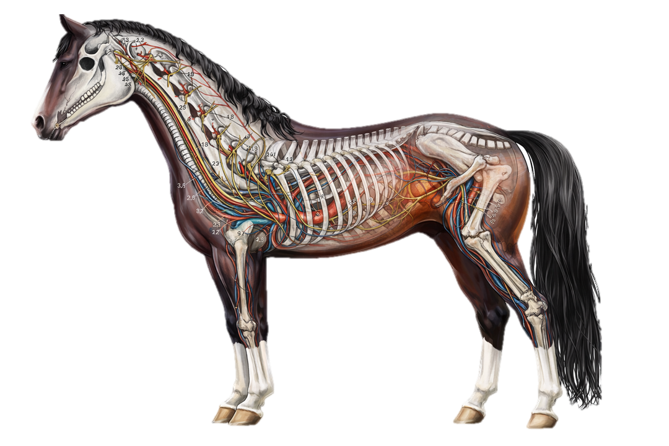
Ever since humans first domesticated the horse, they have had diverse views on how best to look after the horse's needs.
With the establishment of veterinary colleges in the late seventeenth century came an era of scientific investigation, coupled with clinical and scientifically oriented research into horse anatomy and horseshoeing. During the eighteenth and nineteenth centuries, humans were still concerned with working out the animals' needs regarding shoeing, housing, workload, etc. However, the specialists of the day could not agree on the best way forward regarding the animals' needs.
Shift forward to the twentieth century, and the focus is on the animal's biological concerns. However, these concerns were still being intensely discussed. Meaning that the equine industry was still confused by the diverse views of eminent veterinary surgeons and was using techniques derived from the eighteenth and nineteenth centuries.
However, in the twenty-first century, technological advances in science have led the industry to embrace scientific research and advances in understanding equine biology. Specifically, advancements in understanding the orthopaedic balance and pathology of the equine foot, along with the neurological interrelationships among the entire animal's systems.
This unified approach is now beginning to question and hypothesise the relationship between the neuroglial connections of the central nervous system, changes in the muscular system, the myofascial matrix, and the pathology of the distal Limb.
This basic understanding of how the brain communicates with the rest of the body through the nervous system (and the myofascial system) is to understand the specific process that underpins the simple neuromotor responses for locomotion, foraging, and behaviour.
This new focus is on the animal's neuroscience and on continually questioning the fundamental processes that influence the billions of individual nerve cells in specific regions of the animal's body, enabling the desired behavioural responses to the environment in which the animal lives.
Focusing on the animal's nervous system would mean keeping an open mind and doing our research on how the major system affects the animal and how we interact with them. Over my next few post I want to delve into comprehending the neurological basics so you, the reader, can have a better understand on the characteristic combination of symptoms in different regions of your horse's
body.


Comments